Remodeling a home in Massachusetts in 2026 is an opportunity to create interiors that feel warmer, more comfortable, and more personal. With cold winters and changing natural light throughout the year, choosing the right Interior Paint Colors can make a meaningful difference in how rooms look and feel. Warm neutrals, earthy greens, soft blues, and deeper accent shades are popular directions for homeowners who want a fresh look without making their spaces feel dated.
True Measure Construction provides professional house painting services, including interior painting, surface preparation, and color selection guidance. Whether you are updating a single bedroom, refreshing an open-plan living area, or repainting your entire home during a remodel, the right color palette and professional finish can bring the design together.
Top Interior Paint Colors for 2026 Remodels
Interior color trends in 2026 favor natural-looking shades, inviting neutrals, and colors that add personality without overwhelming a room. Instead of relying entirely on cool gray or stark white, homeowners are exploring tones that work with wood, stone, natural fabrics, and contemporary furnishings.
1. Warm Whites and Creamy Neutrals
Warm white remains a versatile choice for homeowners who want a bright, timeless interior. Unlike some cooler whites, creamy shades have subtle yellow, beige, or warm undertones that can make a room feel more welcoming.
These colors work well in living rooms, hallways, kitchens, and open-plan spaces. They also provide a flexible background for artwork, furniture, and decorative accents.
During a Massachusetts winter, when daylight can feel limited, the right warm white may help a room feel brighter and more inviting. However, the final result depends on window direction, artificial lighting, and nearby finishes.
Best for: Open layouts, smaller rooms, and homeowners who prefer a neutral foundation.
2. Earthy Greens and Soft Sage
Green is a strong choice for homeowners who want to bring a natural feeling indoors. Sage, muted olive, and smoky green shades can introduce color while remaining relatively easy to coordinate with neutral furnishings.
Sage green works particularly well in bedrooms, bathrooms, reading areas, and kitchens. It pairs naturally with cream walls, wooden cabinets, brushed metal fixtures, and warm flooring.
For a subtle look, use a light sage on the walls. For more visual depth, consider a richer olive shade on a feature wall, kitchen island, or built-in shelving.
The key is choosing a green with undertones that complement the room’s existing finishes. A gray-green can look different from a yellow-green, especially under artificial lighting.
Best for: Homeowners seeking a nature-inspired interior with a calm, contemporary appearance.
3. Warm Beige and Soft Taupe
Beige and taupe offer more depth than plain white while remaining flexible enough for many remodeling styles. Warm beige can create a comfortable backdrop, while taupe introduces a balanced mix of brown and gray.
These shades are especially useful in open-plan homes where several rooms connect visually. Using a consistent neutral throughout the main living areas can help the space feel coordinated without making every room identical.
Taupe also works well with wood cabinetry, stone surfaces, cream upholstery, and darker decorative details.
Best for: Living rooms, dining rooms, hallways, and connected interior spaces.
4. Soft and Smoky Blues
Soft blue shades can give bedrooms, home offices, and living rooms a relaxed appearance. Misty blue and muted blue-gray provide color without the intensity of brighter blues.
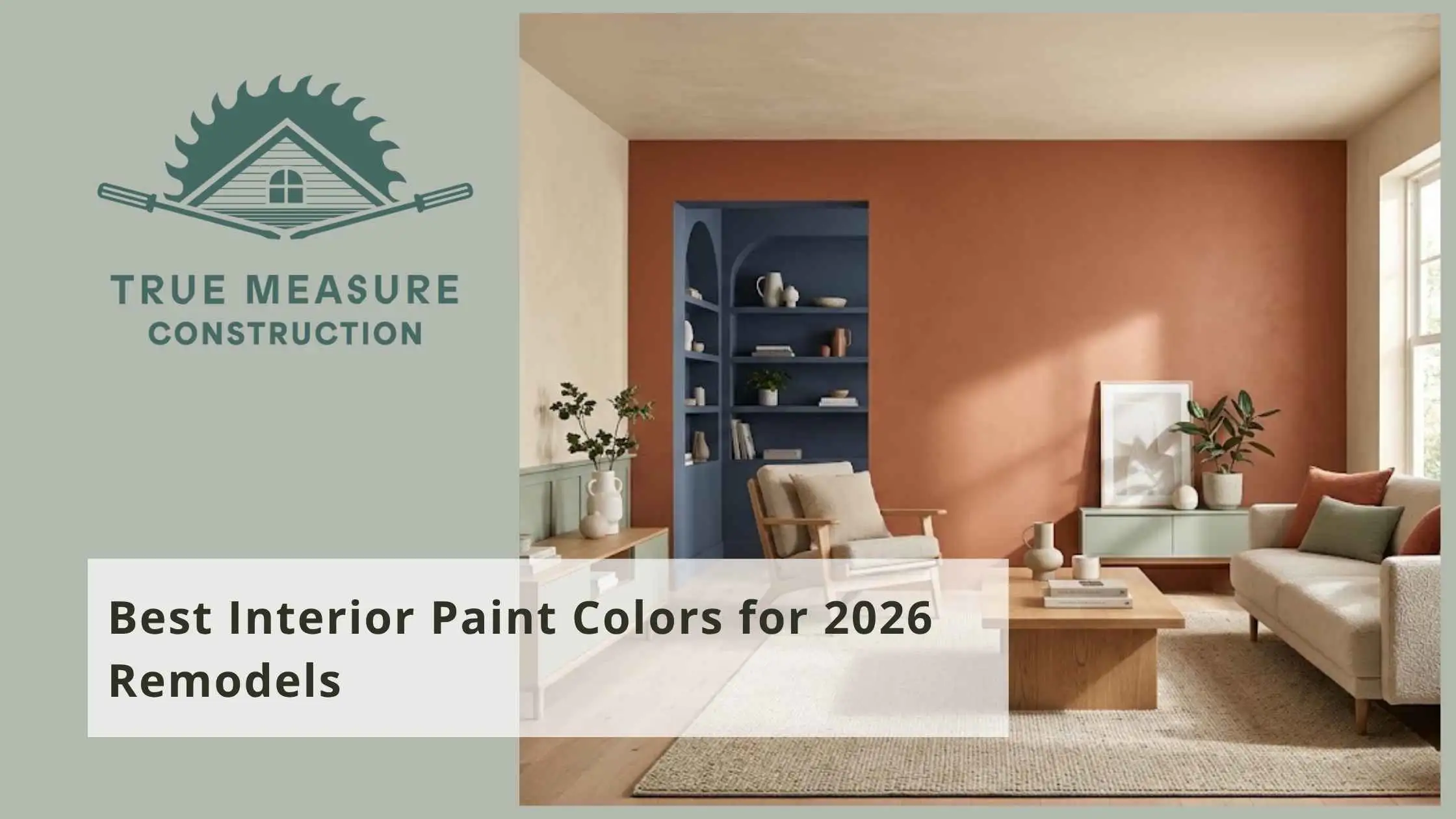
Deeper indigo and smoky blue can create a more dramatic effect, especially when balanced with warm white trim and natural wood finishes. In 2026, blue palettes offer options ranging from airy and light to rich and expressive.
In rooms that receive limited daylight, test the selected shade carefully. Some blue-gray paints may appear darker or cooler than expected when the weather is overcast.
Best for: Bedrooms, home offices, bathrooms, and selected accent walls.
5. Terracotta and Warm Clay
Terracotta and clay-inspired shades add warmth and character to remodeled interiors. Their earthy red, orange, and brown undertones can create a welcoming atmosphere, particularly when paired with cream, wood, and natural-texture finishes.
Because these colors have more visual weight than neutral paint, they are often effective in dining rooms, entryways, reading nooks, and feature areas.
Homeowners who prefer a restrained design can introduce terracotta on one wall or through smaller architectural details instead of covering an entire room.
Best for: Accent walls, dining areas, and interiors with natural materials.
6. Rich Brown and Charcoal Accents
Deep brown, espresso, and charcoal shades can add sophistication when used thoughtfully. They create contrast against lighter walls and can make architectural details stand out.
These colors may work well in home offices, dining rooms, powder rooms, and built-in cabinets. However, large areas of dark paint can make a small or poorly lit room feel more enclosed.
A professional painter can help assess the room’s lighting and surface condition before applying a deep shade, particularly if the existing walls are light and require careful coverage.
Best for: Feature walls, selected cabinetry, and rooms designed for a dramatic look.
How to Choose Interior Paint Colors for Different Rooms
A successful color palette considers the purpose of each room, the available light, and the materials already in place. The same paint color can look noticeably different in a sunny kitchen and a shaded bedroom.
Living Room Paint Colors
Living rooms need to accommodate relaxing, entertaining, and everyday family activities. Warm white, beige, taupe, and soft green provide flexible backgrounds for a range of furniture styles.
For a more distinctive design, consider a muted blue or earthy accent wall. Before choosing a bold shade, examine the room’s flooring, sofa color, window treatments, and adjoining spaces.
Bedroom Paint Colors
Bedrooms often benefit from colors that create a restful visual environment. Soft sage, muted blue, warm beige, and creamy white are practical starting points.
A consistent palette across the walls, trim, and furnishings can create a cohesive result. If you prefer stronger colors, consider using them behind the bed or on a smaller architectural feature.
Kitchen Paint Colors
Kitchen colors should work with cabinets, countertops, backsplash materials, and flooring. Warm white and soft beige can brighten the room, while muted green and blue can add personality.
If the remodel includes new cabinetry, select the cabinet finish and wall paint together. This helps prevent undertones from clashing after installation.

Bathroom Paint Colors
Bathrooms can benefit from light neutrals, soft greens, and muted blues. These colors work well with white fixtures, natural stone, and simple contemporary finishes.
Because bathrooms experience moisture and frequent cleaning, selecting a suitable paint product is as important as choosing the color. The paint and finish should be appropriate for the surface and conditions, with adequate ventilation and proper moisture management.
Home Office Paint Colors
Home offices can use warm neutrals for a simple backdrop or muted blue and green for a more distinctive look. Darker shades may also suit a feature wall or built-in shelving.
Consider the room’s lighting during video calls and daily work. Paint can influence how the space appears on camera, especially when sunlight changes throughout the day.
How Lighting Changes Interior Paint Colors
Lighting is one of the most important factors when selecting paint for a remodel. A shade that looks perfect on a small sample card may appear different across an entire wall.
Natural Light and Window Direction
Rooms with abundant sunlight may reveal more of a paint color’s undertones, while shaded rooms can make some colors appear cooler or darker. North-facing and south-facing rooms may also show the same paint differently.
Massachusetts homeowners should consider seasonal lighting changes when planning a renovation. A color that appears bright during a sunny afternoon may look more subdued on a cloudy winter day.
Artificial Lighting
Warm bulbs can make beige and cream shades look richer, while cooler bulbs may emphasize blue or gray undertones. Test paint samples under the lighting that will normally be used in the room.
Apply sample patches to more than one wall and observe them at different times of day. This small planning step can help prevent disappointment after the full room is painted.
Why Professional Surface Preparation Matters
Even the best Interior Paint Colors cannot compensate for poor preparation. During a remodel, walls may have nail holes, cracks, uneven patches, old paint, or residue left behind by previous finishes.
True Measure Construction emphasizes preparation before painting, including patching holes, sanding rough areas, and cleaning away debris. This helps create a smoother surface for a more consistent finish.
Repairing and Preparing Walls
Before applying new paint, a professional should assess the condition of the existing surface. Small holes and minor imperfections may need filling and sanding, while more significant cracks or signs of moisture require appropriate investigation.
Painting over unresolved dampness or damaged coatings can lead to peeling, staining, or uneven results. Addressing these issues first helps support the quality and durability of the finished work.
Selecting the Right Paint Finish
Paint finish influences appearance, cleaning, and how visible surface imperfections may be.
- Matte or flat: Often useful for low-traffic areas and walls where minimizing visible imperfections is important.
- Eggshell or satin: Common options for living spaces and other areas that need a balance of appearance and cleanability.
- Semi-gloss: Often suitable for trim, doors, and certain surfaces that benefit from a more washable finish.
The best finish depends on the product, the surface, the room’s use, and the manufacturer’s recommendations. A professional can help select an appropriate finish for each part of the home.

How True Measure Construction Can Help With Your Remodel
Choosing a color is only one part of a successful painting project. Surface preparation, product selection, application technique, and attention to detail all affect the finished appearance.
True Measure Construction offers interior and exterior house painting services. Its approach includes preparing surfaces, patching holes, sanding rough spots, and cleaning away debris before painting. The company also helps homeowners explore neutral tones and accent colors while selecting paint products suited to the space.
For homeowners updating older rooms or completing a larger renovation, professional painting can help create a consistent finish throughout the property. The team also aims to maintain an organized workspace, communicate clearly, and plan work to reduce disruption.
True Measure Construction serves communities across Massachusetts, including Worcester, Shrewsbury, Framingham, Northampton, Springfield, and other listed areas. Contact the company to confirm service availability for your property.
A Practical Example: Updating a Massachusetts Home
Imagine a homeowner renovating a traditional Massachusetts house with a dim living room, dated gray walls, and wood flooring that will remain in place.
Instead of selecting a different bold color for every room, the homeowner begins with warm white in the main living areas. Muted sage is considered for a reading nook, while a soft blue is tested in the bedroom. The kitchen palette is selected only after reviewing the cabinet and countertop finishes.
Before painting begins, the walls are inspected and prepared. Sample colors are viewed in natural and artificial light, and appropriate finishes are selected for each room.
This hypothetical example shows how a coordinated palette can refresh a home without requiring every existing finish to be replaced. Careful planning helps the final colors work together rather than compete for attention.
Refresh Your Home With the Right Interior Paint Colors
The best Interior Paint Colors for 2026 combine personal style with practical planning. Warm whites, creamy neutrals, earthy greens, soft blues, terracotta, and deeper accent shades offer options for many remodeling projects.
The right choice depends on the room’s natural light, existing finishes, intended use, and preferred atmosphere. Testing samples and preparing surfaces properly are just as important as following current color trends.
Ready to update your home? Visit True Measure Construction’s house painting service page to learn more about professional painting and color selection. Call 774-615-9623 to request a free estimate and discuss your remodeling plans.
Frequently Asked Questions
What are the best interior paint colors for 2026?
Warm whites, beige, taupe, earthy greens, muted blues, terracotta, and rich brown accents are useful choices for 2026 remodels. The best shade depends on the room, lighting, furnishings, and personal preferences.
Are warm neutrals better than cool gray?
Warm neutrals can make interiors feel inviting and pair well with natural wood and many contemporary finishes. Cool gray can still work in the right setting, particularly when its undertones complement the room’s materials and lighting.
Which paint colors make a small room feel larger?
Light warm whites, soft beige, and pale muted colors can help a small room feel brighter when paired with suitable lighting. The effect also depends on window placement, furniture, and how colors flow into adjoining spaces.
Should every room have the same paint color?
Not necessarily. Using a consistent base color in connected spaces can create visual flow, while selected rooms or accent walls can introduce complementary colors.
How should I test paint colors before a remodel?
Apply sample patches to several walls and observe them in natural daylight and artificial light. Compare the samples with flooring, cabinets, countertops, and furnishings before committing to the final palette.
Does True Measure Construction provide professional interior painting?
Yes. True Measure Construction offers house painting services that include interior painting and surface preparation. Visit https://truemeasure.net/house-painting/ or call 774-615-9623 to discuss your project and request an estimate.