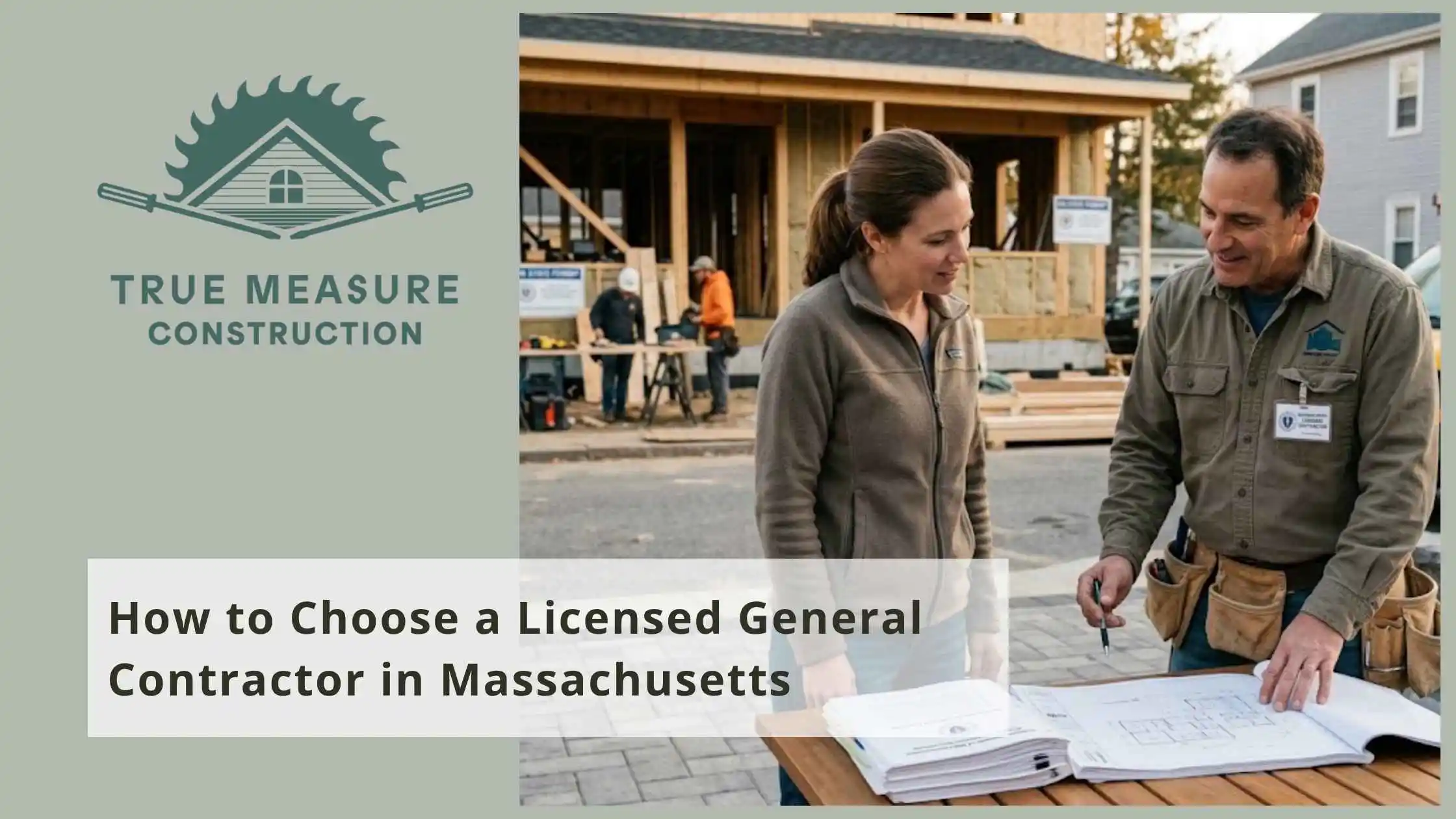
Hiring the right contractor is one of the most important decisions homeowners and property owners make during a construction or remodeling project. In Massachusetts, where building regulations, permitting requirements, seasonal weather conditions, and aging housing stock can complicate construction work, choosing a licensed general contractor becomes even more important.
A professional general contractor does more than coordinate labor. They manage timelines, oversee quality, handle project logistics, maintain communication, and help ensure construction work meets local requirements. Whether you are planning a renovation, home addition, structural improvement, or full property update, selecting the right contractor can significantly affect the outcome of your project.
True Measure provides professional general contracting services throughout Massachusetts, managing residential and commercial construction projects with a focus on planning, craftsmanship, communication, and project execution.
Why Hiring a Licensed General Contractor Matters in Massachusetts
Massachusetts properties often present unique construction challenges.
Many homes throughout the state include:
- Older building structures
- Historic architectural features
- Complex renovation requirements
- Seasonal weather considerations
- Strict permitting processes
Licensed general contractors help homeowners navigate these challenges while coordinating projects efficiently.
A general contractor typically manages:
- Project scheduling
- Trade coordination
- Material procurement
- Permit support
- Quality oversight
- Construction execution
Professional oversight reduces delays and helps projects move more efficiently.
A Real Job Story: Turning a Complex Renovation Into a Smooth Project
A Massachusetts homeowner planned to update multiple areas of their property, including interior renovations and structural improvements.
Initially, the homeowner considered hiring multiple independent trades separately but quickly realized coordinating timelines, materials, and inspections would become difficult.
After hiring a licensed general contractor, the project was organized into clear phases.
The contractor managed:
- Construction scheduling
- Trade coordination
- Material ordering
- Communication throughout the project
- Final quality review
Because of centralized project management, the renovation progressed more efficiently and avoided many of the delays commonly associated with multi-phase construction work.
Projects like this demonstrate how professional coordination can simplify complex renovations.
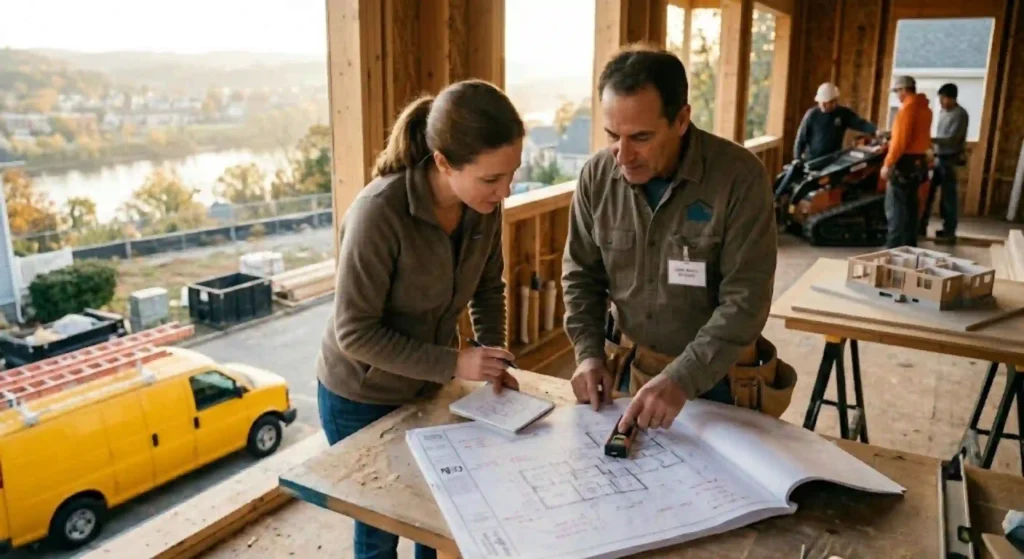
Verify Licensing and Credentials First
One of the first steps when selecting a contractor is confirming they operate legally and professionally.
Ask contractors about:
- Licensing status
- Insurance coverage
- Registration requirements
- Experience with similar projects
Massachusetts homeowners should work with properly licensed and insured professionals who understand local construction expectations.
Professional contractors also maintain processes that help projects remain organized and compliant.
Evaluate Experience With Your Project Type
Not all contractors specialize in the same work.
Look for experience that aligns with your project goals.
Examples include:
Home Renovations
Updating existing living spaces requires planning around existing structures and systems.
Home Additions
Expanding square footage requires integration with the current home layout.
Full Property Improvements
Larger projects often demand coordination across multiple trades.
True Measure provides general contracting services that support residential and commercial construction needs across multiple project types.
Review Project Management Capabilities
A contractor’s ability to manage the project often matters just as much as construction skills.
Strong project management includes:
- Defined schedules
- Communication plans
- Budget coordination
- Progress tracking
- Change management
Without organized oversight, projects may experience delays and unexpected costs.
Professional general contractors act as a central point of coordination for the entire construction process.
Understand Their Construction Process
Before hiring a contractor, ask how projects move from planning to completion.
A structured process often includes:
Initial Consultation
Understanding project goals and site conditions.
Planning and Scope Development
Creating realistic expectations and project direction.
Scheduling and Coordination
Managing labor and material timelines.
Construction Execution
Completing work according to agreed specifications.
Final Walkthrough
Reviewing completed work and addressing final details.
Contractors with organized systems often provide a smoother customer experience.
Why DIY Project Management Can Create Problems
Some property owners consider coordinating construction themselves.
However, managing multiple trades often becomes more complicated than expected.
Scheduling Conflicts
Trades frequently depend on one another to complete work in sequence.
Permit Coordination
Construction requirements can vary by municipality.
Communication Challenges
Managing multiple vendors often creates delays and confusion.
Budget Control Difficulties
Unexpected changes become harder to manage without centralized oversight.
Professional contractors reduce these challenges through established processes.
The Professional Advantage
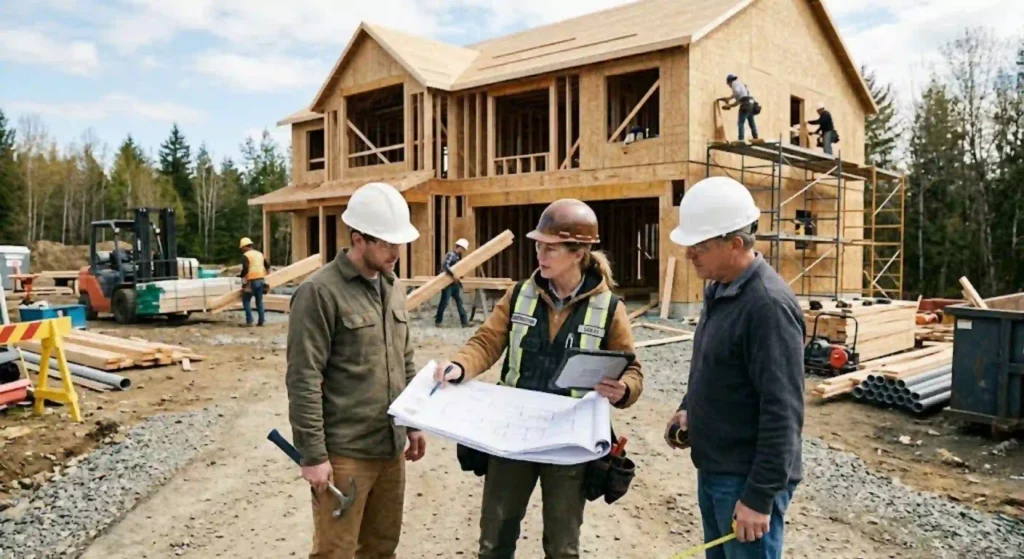
Centralized Project Leadership
General contractors manage day-to-day coordination so property owners do not have to.
Access to Skilled Trade Networks
Professional contractors often maintain relationships with qualified subcontractors.
Better Construction Flow
Organized scheduling improves efficiency across project phases.
Quality Control
Experienced oversight helps maintain workmanship standards.
True Measure emphasizes project management, communication, and construction coordination designed to help projects move efficiently from concept to completion.
Questions to Ask Before Hiring a General Contractor
Before making a final decision, ask:
- Have you completed similar projects?
- What does your process look like?
- How do you communicate updates?
- Who manages construction schedules?
- How are project changes handled?
- What timeline should I expect?
Clear answers often indicate a contractor’s level of professionalism and preparation.
Why Massachusetts Property Owners Choose True Measure
True Measure provides professional general contracting services focused on delivering organized construction experiences and quality workmanship.
Their services support:
- Residential renovations
- Property improvements
- Remodeling projects
- Construction coordination
- Project planning
- General contracting solutions
Their team emphasizes communication, execution, and managing projects from early planning through completion.
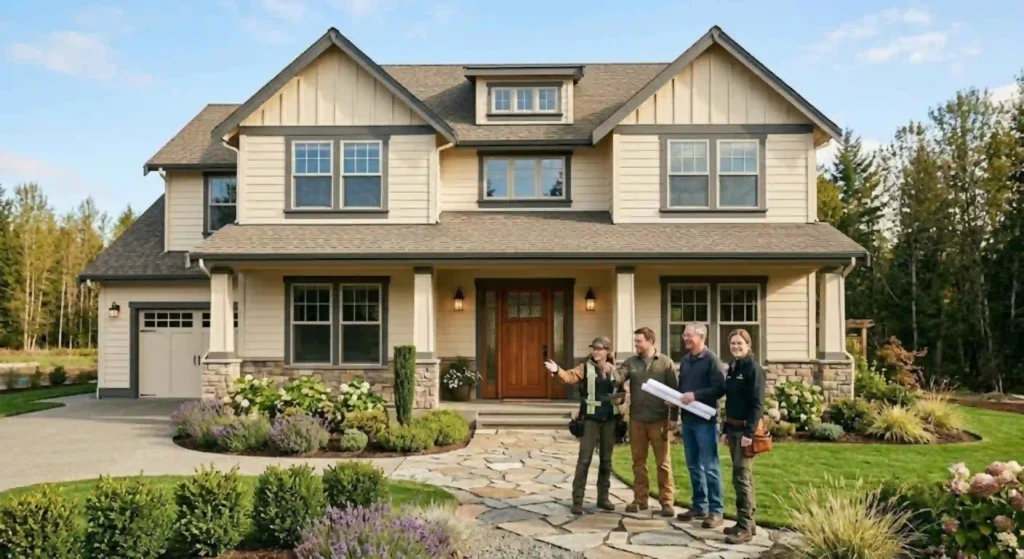
Choose the Right Contractor for Long-Term Results
Hiring a licensed general contractor is about more than completing construction work. It is about selecting a professional who can manage complexity, maintain quality, and guide your project from planning through completion.
True Measure provides professional general contracting services throughout Massachusetts, helping homeowners and property owners complete projects with organized management and reliable craftsmanship.
Call to Action
Call today, request a consultation, or schedule a project estimate to discuss your next construction or remodeling project with a licensed general contractor in Massachusetts.